When the App Says Go and the Policy Says No: The Weekend Delivery Trap
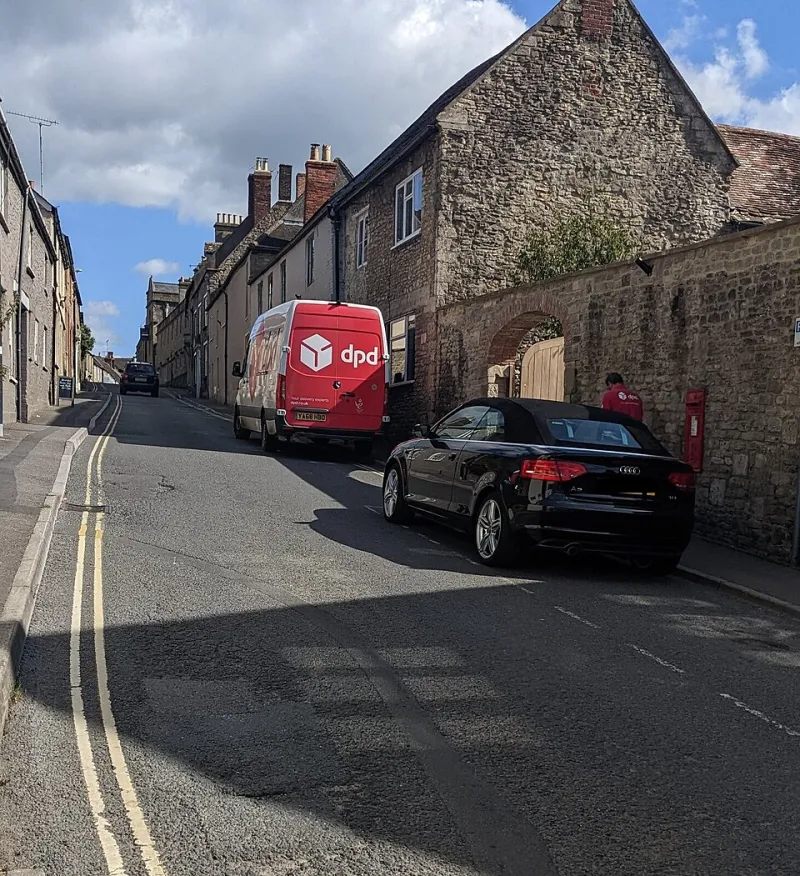
Photo: Jaggery , CC BY-SA 2.0, via Wikimedia Commons
You know the scene. It's Saturday morning, the van's already loaded for Monday, and your phone pings with an offer: four hours of parcel drops, £70, all within a few miles. The app makes it look like a no-brainer. The van's taxed, MOT'd and insured. What could go wrong?
Plenty, if the word 'insured' is doing more work than your policy allows.
The gap between using your van and working your van
Most tradespeople buy van cover on a simple promise: the van gets you to jobs, carries your tools, and maybe does the school run. That's usually written as social, domestic and pleasure (SDP) use, sometimes with business use added for your own trade. It is not a licence to carry other people's parcels for money.
That distinction matters because delivery apps are not asking you to pop a neighbour's parcel in the back on your way past. They are asking you to run a courier operation, even if it's only for a few hours. The app is the customer. You are the courier. The van is the delivery vehicle. Your SDP policy is watching from the sidelines, tapping its watch.
What insurers mean by hire and reward
In insurance speak, carrying goods for payment is 'hire and reward'. You'll also see it called courier work, delivery work, or carriage of goods for reward. Some policies include business use, but that often means your own tools and materials — not a retailer's order or a stranger's eBay sale.
Insurers price for risk, and the risk profile of a parcel run is different from a plumber's van parked on a driveway. A delivery van does frequent stop-start work, often in residential streets, with doors opening and closing, parcels visible on the seat, and the engine ticking over while you find the right buzzer. That's more miles, more theft exposure, more chance of a prang in a tight cul-de-sac. It is not the same job your policy was priced for.
The mileage that doesn't look like a side hustle
Your declared annual mileage is one of the quiet foundations of a cheap van policy. If you told your insurer the van does 8,000 miles a year and a Saturday app habit pushes it towards 12,000, that's not a rounding error. It's a material fact — the sort of detail that could have changed the premium or the decision to offer cover at all.
Insurers increasingly check mileage at renewal and at claim stage. They may not know you spent Saturday delivering parcels, but the odometer, the app records and the pattern of stops can tell a story. If the story doesn't match the policy, the conversation gets uncomfortable.
The claim moment: when the questions get awkward
Imagine a minor bump on a delivery round. Nobody is hurt, but there's a dented bumper and a third party who wants your details. You report it. The insurer asks what you were doing at the time. You say you were delivering parcels through an app. That's the moment the policy wording starts to matter more than the dent.
The insurer may treat the use as undisclosed. Depending on the policy and the circumstances, that can mean your own damage claim is declined, your policy is cancelled, and you're pursued for costs the insurer pays to the third party. Even where the insurer has to settle a third-party claim under road traffic law, it can later seek to recover that money from you. Your no-claims bonus and future premiums can take a hit too.
This isn't about scaring you off a few extra quid. It's about knowing which quid comes with a side order of uninsured risk.
How to check your 2026 policy without a call centre marathon
Start with the certificate of insurance and the policy schedule. Look for the 'use' section. Does it say social, domestic and pleasure? Does it add business use? Does it mention hire and reward, courier work, or carriage of goods for reward? If those words aren't there, don't assume they're included.
Next, check the exclusions. Many van policies specifically exclude use for hire or reward, or carrying goods for payment. Some exclude 'the carriage of goods in connection with any trade or business' — which can be broader than it sounds.
Then ring your insurer or broker. Ask a plain question: 'Can I use this van for paid parcel delivery through an app?' Ask for the answer in writing — email or webchat is fine. If the answer is no, you've saved yourself a much more expensive conversation later. If the answer is yes, check whether it's an add-on, what it costs, and whether it covers the app work you're actually doing.
Don't rely on the app's own reassurance either. Some apps say they provide cover, but that cover may be limited, may only apply while you're logged in, or may not replace your own policy obligations. Read the small print before you treat a ping as permission.
If you want the weekend work, price it properly
Courier work can be insured, but it usually costs more than a standard tradesperson's van policy. That higher premium is not a punishment; it's the price of the risk. If the weekend earnings don't cover the extra cover, that's useful information too.
You may find a specialist courier policy, a hire-and-reward add-on, or a separate van policy for delivery work. Compare quotes properly, declare the work honestly, and keep a record of what you told the insurer. Cheap van insurance is only cheap if it actually covers what you're doing.
The van doesn't know it's Saturday. Your policy does. Before you accept that first drop, make sure the two are on the same page.