Your Load Is Not a Third Party: The Interior Damage Gap in Van Cover

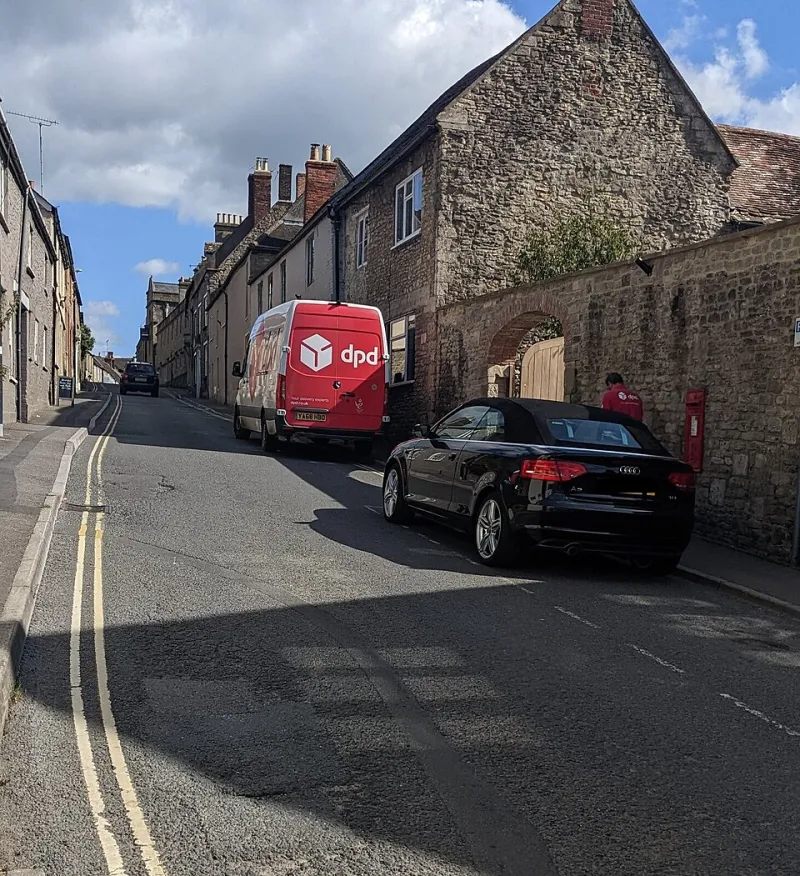
Photo: Uoaei1, CC BY-SA 4.0, via Wikimedia Commons
A decorator finishes a job on a Friday, loads five litres of emulsion and a tub of adhesive into the back of the van, and drives home. By Monday, the paint has tipped, the lid has popped, and the ply-lining is wearing a thick white stripe that has seeped into the wheel-arch area. The adhesive tub has split too, leaving a sticky patch that nothing short of a chisel will shift. The van still drives fine. The interior does not.
The natural next thought is: “That’s what fully comprehensive is for.” Sometimes it is. Often it is not. The gap is not usually about blame or bad luck. It is about what caused the damage. Your load is not a third party, and many van policies treat cargo-caused interior damage very differently from a bump in a car park.
Fully comp is not a magic wand
Comprehensive cover typically includes accidental damage to your own van, along with fire, theft and third-party liabilities. That sounds broad, and in many everyday situations it is. But policy wordings often draw a line between damage caused by an outside event and damage caused by the stuff you are carrying.
Insurers tend to view the load as your responsibility. If a tin leaks, a drum tips or a bag of rubble scratches the wheel arch, the question becomes whether the policy covers damage “caused by goods carried” or “contamination”. Those phrases can quietly remove the very scenario a tradesperson is most likely to face.
This is not about insurers being sneaky for the sake of it. Cargo damage is common, hard to price and often linked to how well a load is packed and secured. But that is little comfort when your van smells of solvent and the repair estimate is heading towards four figures.
What the exclusions tend to look like
Exact wording varies by insurer, so never rely on a generic rule. Still, there are familiar themes in van policy small print. Look out for exclusions involving:
- loss or damage caused by goods or materials being carried;
- leakage, spillage or contamination;
- damage caused by inadequate packing, loading or securing;
- cleaning costs after a spill;
- repair or replacement of the load itself;
- wear and tear, scratching or gradual damage.
A policy may cover accidental damage to the van but still exclude contamination. It may cover a dented panel but not the labour to remove paint from ply-lining, racking or wiring. It may pay for a damaged interior trim panel but not for the time spent making the van safe to use again.
Some trade-specific policies are broader. Some will include an accidental damage extension that specifically picks up cargo spills. Others will not. The only reliable answer is in the policy schedule and wording for the quote you are actually considering, not the headline “fully comp” label.
Three spills, three claim headaches
Take a leaking paint tin. The visible damage might be a stained floor, but the real issue is contamination. Paint can soak into ply, creep under racking and reach wiring or insulation. The insurer may see the cause as leakage from goods carried, not an accidental impact. Cleaning and replacement of contaminated lining could fall outside the claim.
Then there is tipped adhesive. A split drum can bond to the floor, damage a drain hole or leave a chemical residue that affects the van’s use. If the policy excludes contamination or damage from materials carried, you may be funding the clean-up yourself, even if the van is otherwise covered.
Finally, the slow-motion spill: bags of rubble, loose tools and offcuts scratching and denting the load bay over months. That often runs into wear and tear or inadequate securing. By the time you claim, the insurer may say the damage built up gradually rather than happening in one insured event.
The £200 spill that becomes four figures
A spill rarely costs only the price of the lost paint. There is labour to strip out contaminated ply, dispose of ruined lining, clean or replace racking, check wiring and dry out the load area. If the van is off the road, you may lose a day’s work. If the interior needs specialist cleaning, the bill climbs again.
A £200 paint spill can easily become a £1,200 repair. And because many policies have an excess, a smaller claim may not be worth making anyway. That does not make the problem disappear. It just means the cost lands on you rather than the insurer.
How to check before you renew
When you compare van insurance in 2026, do not stop at the premium and the excess. Ask the broker or insurer a direct question: “If paint, adhesive or another load leaks inside my van, is the resulting damage to the interior covered?” Get the answer in writing if you can.
Then check the wording for phrases such as “goods carried”, “cargo”, “contamination”, “spillage”, “cleaning” and “inadequate securing”. If you carry tools, paint, chemicals or building materials regularly, ask whether those are treated as normal trade use or excluded cargo. If you have fitted ply-lining, racking or a bespoke load bay, check whether those are covered as part of the van or treated as modifications with their own conditions.
Cargo insurance or goods-in-transit cover is a separate conversation, and it usually protects the load rather than the van. That can be useful, but it is not a substitute for checking the van policy. The two do different jobs.
Practical damage limitation
No policy wording replaces sensible load habits. Use spill trays, sealed containers and a waterproof liner. Secure tins and drums so they cannot slide or tip. Keep chemicals away from wiring and drains. Photograph the load area before and after jobs if you carry high-risk materials. If something leaks, clean it up quickly and keep receipts for anything you replace.
And at renewal, compare like for like. The cheapest quote may be cheap because it has stripped out cargo-caused damage cover, cleaning costs or accidental damage extensions. A few pounds saved each month can look expensive the first time a paint tin takes a dive.
Fully comprehensive cover is valuable. It is just not a promise that every mess in the back of the van is somebody else’s problem. Check the load-damage detail before the spill, not after.