Three Dates, One Van: The MOT Calendar That Can Make or Break a Claim

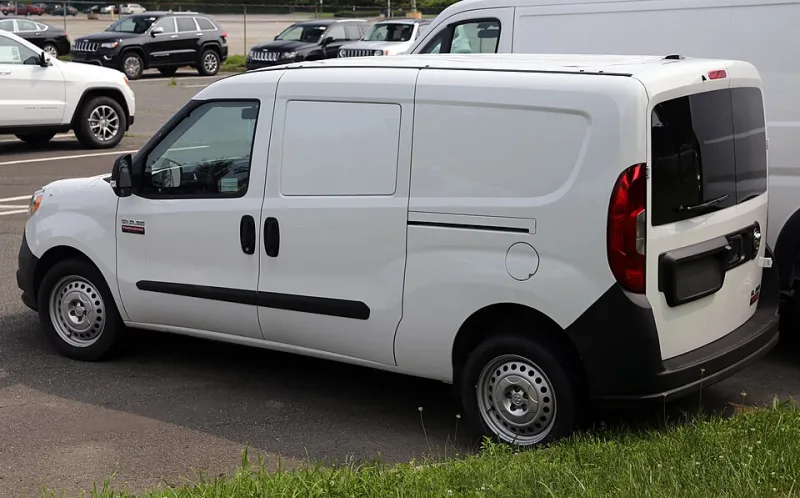
Photo: UK tradesperson van dashboard with calendar reminder and MOT paperwork on clipboard, via s3.amazonaws.com
Most tradespeople can remember a customer's gate code, a boiler model and the exact price of a sheet of ply. Ask them when the van's MOT runs out and you often get a shrug and a vague memory of a reminder card that may or may not be in the door pocket. That is not a dig. It is just how van admin works when you are on site at 7am and still pricing a job at 9pm.
The problem is that your insurance policy does not run on the same clock as your MOT or your vehicle tax. They are three separate dates, handled by three separate systems, and missing one can make a claim far more complicated than it needs to be. In 2026, with digital reminders and online records, there is no good reason to let them drift apart.
The three dates that do not travel together
An MOT is the minimum roadworthiness check. It tells you the van met the test standard on the day it was examined. It is not a guarantee that the brakes will be fine next month, and it is certainly not proof of insurance.
Vehicle tax is the payment that lets you use the van on the road. You generally cannot tax a van without a valid MOT and insurance in place, but the tax date does not automatically line up with either of them.
Insurance is a contract. Your insurer agrees to cover the van on certain terms, and those terms usually include keeping it roadworthy and having a valid MOT where the law requires one. A valid MOT does not mean you are insured. Insurance does not mean you have tax. And tax does not mean the van is safe. They are related, but they are not the same thing.
The trap is that all three can renew at different times of the year. Your policy might renew in March, your MOT might be due in July, and your tax might run on a monthly direct debit. Nothing is wrong with that until the July date slips past you during a busy spell.
What happens when the MOT lapses mid-policy
This is where the glovebox date stops being boring admin and starts affecting money. If your van's MOT expires while the policy is still running, you are using a vehicle that is not legally roadworthy for normal driving. Your insurer may look at that when you claim.
That does not mean every claim is automatically rejected. Insurance is rarely that simple. But it does mean the claim can move from 'here is the repair estimate' to 'please explain why the van was on the road without a test'. If the accident is connected to a defect that an MOT would have caught, or if the van should not have been driven at all, the insurer may dispute cover, reduce a payout or seek to recover money it has paid out.
Even when the claim is paid, the delay can hurt. You may be asked for the MOT history, service records and proof of when the test was booked. A routine dent can turn into a paperwork exercise you did not budget time for. For a tradesperson, time off the road is often more expensive than the repair itself.
There are limited situations where you can drive a vehicle without a current MOT, such as taking it to a pre-booked test in some circumstances, but those rules are narrow. They are not a cover-all for 'I was on my way to a job and forgot'. If the MOT has lapsed, the safest move is to stop treating the van as a normal work vehicle until you have sorted it.
The renewal overlap that catches busy people
One of the most common muddles is assuming that because the insurance renewed, the MOT must be fine. It is the other way round. The insurer may not ask for your MOT certificate every year. The policy simply continues on the basis that you keep the van legal and roadworthy.
That is why the weeks around renewal deserve a proper check. If your policy renews in September and your MOT is due in October, you can easily renew the insurance, pay the first instalment and then forget the test because the renewal letter felt like the big admin moment. Then October gets busy, the test gets pushed, and suddenly you are driving a van with an expired MOT and a live policy. The insurance is not the thing that makes the van legal. The MOT is.
The same applies to tax. You might pay vehicle tax monthly and barely notice it. But if the MOT lapses, you cannot simply carry on taxing the van as normal. The dates need to be checked together, not one at a time.
A simple diary system that survives a busy week
You do not need a fleet manager or a software subscription. You need one place where the three dates live, and reminders that arrive before the date, not after it.
Start with a single 'van admin' entry in your phone calendar. Put in the insurance renewal date, the MOT due date and the tax renewal or direct debit date. Then set alerts at eight weeks, four weeks and one week before each one. Eight weeks gives you time to book an MOT slot before the rush. Four weeks gives you time to compare renewal quotes without panic. One week is the final nudge.
Use the free MOT reminder service on gov.uk as a back-up. It is not a replacement for your own calendar, but it is another pair of eyes. Check your MOT history online rather than relying on a paper certificate in the glovebox. The online record is the one that matters when someone asks for proof.
If you run more than one van, put the dates in a spreadsheet and print it. A wall planner in the office or back of the workshop door is surprisingly effective. Write the registration next to each date. 'MOT due' on its own is useless when you have two Transits and a Caddy.
Finally, book the MOT before the insurance renewal if the dates are close. It is much easier to sort a test when you are not also deciding whether to accept a renewal quote. If the van needs work, you want to know that before you have committed to another year of cover.
What to do if you spot a lapsed MOT
Do not ignore it and hope the next job is short. Check the gov.uk record, book a test as soon as you can, and keep the booking confirmation. If you have already had a claim, tell your insurer the truth about the dates. Trying to tidy up the timeline later is far worse than being upfront.
If the van is going to be off the road for a while, look at your options properly before cancelling anything. SORN rules, insurance requirements and refunds all have their own small print, and a rushed decision can cost more than it saves.
The boring version of van ownership is the cheap version. Three dates, one calendar, reminders that arrive early. That is not exciting advice, but it is the kind of thing that keeps a small claim from turning into a large argument in 2026.