The Cheque Won’t Rebuild the Van: Why Write-Off Settlements Miss the Working Spec
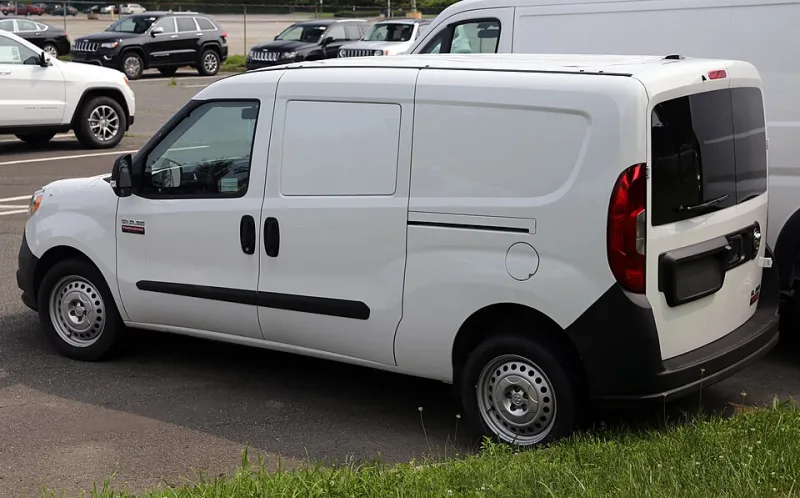
Photo: Mr.choppers, CC BY-SA 3.0, via Wikimedia Commons
A van gets written off on a wet Tuesday in November. By Thursday the insurer has made an offer. It sounds reasonable enough until you start pricing replacements and realise the cheque will buy a plain white panel van — not one with racking, ply-lining, a bulkhead, sign writing and the sort of service history that means it turns up for work rather than the workshop.
That is the working-spec gap. It is not a scam and it is not usually a hidden clause. It is simply the difference between what your van was worth on the used market and what it costs to put an equally useful van back on your drive.
Market value is not replacement cost
Most van policies settle on a market value basis. In plain English, the insurer works out what your van was worth just before the incident, taking into account its age, mileage, condition and model. Then it pays that figure, less any excess.
That is different from replacement cost. Replacement cost asks a more practical question: what would you have to spend this week to buy a comparable van that is actually ready to earn? Those two numbers can sit thousands apart, especially when the fit-out is part of the tool kit.
A used van advertised at a retail forecourt is also not the same as a trade guide figure. Insurers often work from trade values and then adjust. You, meanwhile, are shopping in the retail market with your own money and a job booked for Monday.
Where the gap comes from
Imagine a 2019 mid-size van with 92,000 miles. The insurer values it at £11,500. A similar van at a dealer might be £13,500. Add racking, ply-lining, a reversing camera and sign writing, and a ready-to-work replacement could be £16,000 or more. Suddenly the settlement feels less like a payout and more like a deposit.
A £5,000 hole is not unusual. It can come from several places at once:
- Retail versus trade valuation.
- Mileage higher than the insurer expected.
- Wear and tear that reduces the pre-accident value.
- Modifications that were declared for insurance purposes but not valued in the settlement.
- The excess being deducted.
- Outstanding finance being cleared before you see the rest.
The last point matters. If the van is on finance, the lender usually gets paid first. Any shortfall between the settlement and the finance balance is a separate problem — and a standard GAP policy may address that specific shortfall, not the cost of a better replacement van.
Mileage and condition are the quiet levers
Mileage is one of the biggest factors in van value, and it is also one of the easiest things to get wrong at renewal. If you declared 12,000 miles a year but actually did 20,000, the insurer may value the van on the lower figure. When a claim happens, that mismatch can come back to bite.
Condition works in the same way. A van with full service history, matching tyres and a clean interior will be valued higher than one with missed services and a dashboard warning light. Keep receipts. Take photos. A folder of evidence is boring until the day it is worth several hundred pounds.
Declared modifications are not always valued modifications
This is where a lot of tradespeople get caught. You tell your insurer about the racking, the ply-lining and the wrap. The policy notes them. You assume that means they are covered for their full value if the van is written off.
Not necessarily. Declaring a modification helps the insurer assess risk. It does not always mean the settlement will include the cost of replacing that modification. Some policies cover permanently fitted accessories up to a limit. Some exclude them. Some include them only if they are listed and receipted.
Ask a direct question before renewal: if the van is written off, will the payout include the racking and ply-lining at replacement cost, or only their second-hand value, or nothing at all? Get the answer in writing if you can.
Agreed value: fixing the number before the claim
Agreed-value cover works differently. Instead of settling at whatever market value says on the day, the insurer and you agree a sum insured at the start. That figure is usually supported by photos, a valuation and evidence of the van’s specification.
For a work van with a heavy fit-out, agreed value can be a sensible tool. It gives you a clearer target and reduces the argument about what the van was worth. But read the detail. Check whether the agreed figure includes the fit-out, whether mileage limits apply, and what happens if you add new equipment mid-policy.
Agreed value is not a magic wand. It can cost more than standard cover, and insurers may impose conditions. But if your van is central to your income, it is worth pricing alongside your normal renewal quote.
What GAP-style cover can and cannot do
GAP insurance is often sold as a safety net, but it is important to know which gap it fills. Finance GAP typically covers the difference between the insurer’s settlement and the amount still owed on finance. It does not usually pay for a nicer van, a bigger fit-out or the extra cost of buying from a retail dealer.
Replacement-style cover may exist in some forms, but eligibility and limits vary. Fit-out equipment is often excluded or capped. Do not buy a GAP-style policy to paper over undeclared modifications — that is a claim problem, not a settlement problem.
Before you accept the first offer
When a van is written off, you do not have to accept the first number without question. Ask for the valuation breakdown. Gather comparable retail adverts for similar vans with similar mileage. Dig out receipts for servicing, racking, ply-lining and any other fitted equipment. Send photos of the van before the incident.
If the offer still looks low, use the insurer’s complaints process. If that gets you nowhere, the Financial Ombudsman Service can look at whether the settlement was fair. Keep your cool and keep your paperwork.
The renewal question to ask in 2026
At your next renewal, do not just compare the premium. Compare the settlement basis. Ask what market value means in practice, whether your fit-out is covered, and how mileage is recorded. If the answer is vague, that is useful information.
A cheap van policy is only cheap if it pays enough to keep you working after a write-off. The working-spec gap is easy to ignore until the day the cheque arrives and the replacement van does not.