Plug In, Pay Up? The Real Reason Electric Vans Can Cost More to Cover
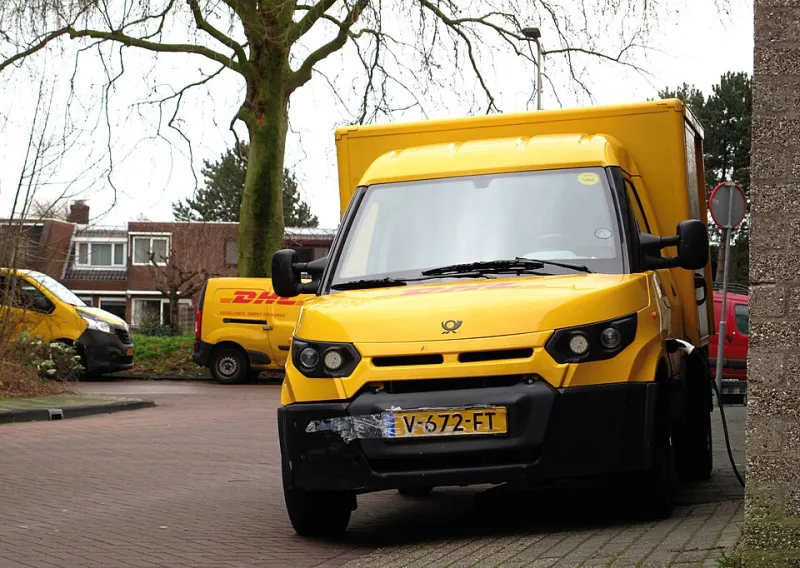
Photo: Rutger van der Maar, CC BY 2.0, via Wikimedia Commons
Electric vans are having a moment. Walk round any builders' merchant in 2026 and you will see more plug-in cargo vans than a few years ago. The sales pitch is easy: zero fuel, lower servicing, a quiet cab and maybe a tax break. Then the insurance quote lands and the maths goes wobbly. A van that costs nothing to fill can still cost more to cover than the diesel it replaces. That is not a conspiracy. It is how insurers price uncertainty.
The premium is not really about the plug
Insurance is a bet on repair costs, downtime and write-off risk. A diesel van with a dented wing is a straightforward body shop job. An electric van with a damaged battery pack is a different conversation. The pack is expensive, often built into the floor, and not every garage wants to touch high-voltage kit. If the repair bill gets close to the van's value, the insurer may write it off rather than fix it. Fuel savings never enter that calculation. Risk does.
Battery damage: the claim nobody wants
Most electric van batteries sit low in the chassis, which is great for stability and terrible for kerbs, potholes and loading bays. A knock underneath can damage the pack or its cooling system. Even a modest impact can mean a specialist inspection, a replacement module or a full pack. That is why some insurers are cautious with EV vans, especially older or converted models. Check whether the battery is owned or leased. If it is leased, ask who is responsible for damage and whether your van policy picks up the bill. Do not assume the lease covers it.
Charging cables and kit
Your van policy may cover the charging cable supplied with the vehicle. It may not cover a home charge point, extension leads, adapters or a cable nicked while you are having a brew at the services. Cable theft is a real annoyance, and replacement leads are not cheap. Read the charging equipment wording. Is the cable covered in or on the vehicle? What about theft from home? Does your home insurance cover the charge point? Some van policies offer an add-on. If you rely on public charging, do not leave kit unattended unless you can afford to lose it.
Repair network gaps
Not every bodyshop wants high-voltage work. The approved network for your model may be thin in your area, which means longer repair times and higher courtesy vehicle costs. That pushes up premiums and makes total loss more likely. Before you buy, ask the insurer which repairers can handle your van. If you want a main dealer to do the work, check that is allowed. Some policies let you choose a repairer but cap labour rates, so you could end up topping up the bill.
Comparing EV quotes without getting fooled
Quote like for like. Same use class, same mileage, same drivers, same overnight parking and same security. Declare whether you charge at home or on the street. Say if the battery is leased. If you carry tools or stock, check that is covered. Ask specific questions: is the battery covered for accidental damage? Is the charging cable covered? Is a home charge point covered? What is the write-off basis, market value or agreed value? Is a courtesy van included? What happens if the repair takes weeks? Do not just compare the first-year price. Check the renewal terms and cancellation fees too.
When switching actually saves money
Do the whole sum, not just the premium. Add insurance, lease or finance, charging, servicing, tyres, downtime and any tax difference. A £300 higher premium can be wiped out by fuel savings if you do serious mileage. If you potter round town and do low miles, the insurance gap may hurt more than the fuel saving helps. Get at least three quotes, ideally through a broker who knows electric vans. A cheap quote with a poor repair network is not cheap if your van is off the road for a month.
The bottom line
An electric van is not automatically cheap or expensive to insure. It is a different risk, and insurers are still working out how to price it. Keep the zero fuel bill in one column and the premium in another. Then look at the small print. The trades who do that are the ones who switch for the right reasons, not because a salesman said the fuel was free.