Your Mate on the Policy, Your Claim on the Line: The Named Driver Trap
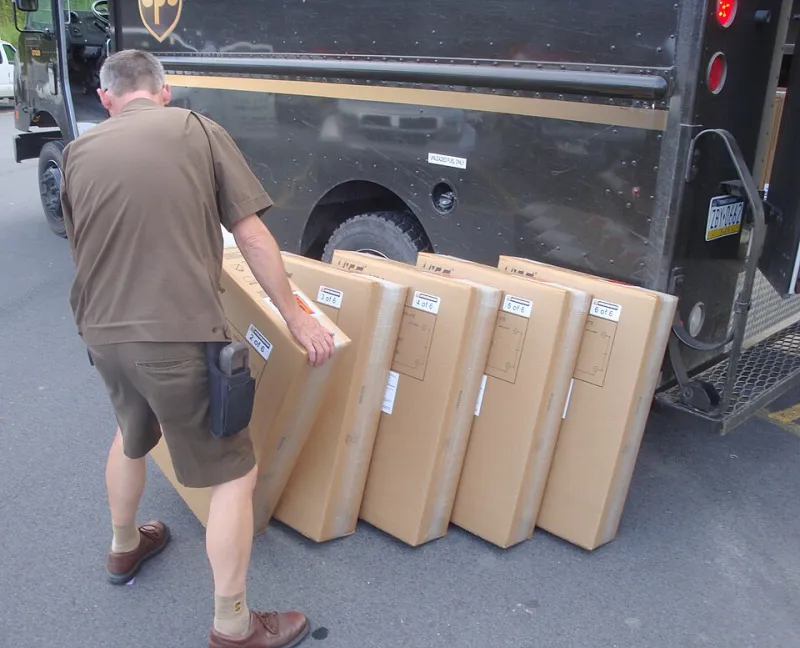
Photo: MobiusDaXter, CC BY-SA 3.0, via Wikimedia Commons
Adding a mate to your van policy feels like a favour. He can help with a big job, share the driving on a long run, or borrow the van when his car is in the garage. The insurer asks for a name and a licence, you pay a bit more, everyone is covered. Except it is not always that simple. A named driver can be genuinely useful, but the way some trades use them is a gamble. And when it goes wrong, it tends to go wrong at claim time, when you can least afford it.
A named driver is not a guest list
A named driver is someone the policy says can drive your van. They are not the main driver and they are not the policyholder. If they are actually the person using the van most days, the policy should be in their name or they should be the main driver. Putting a higher-risk driver down as a named driver to get a lower premium is called fronting. It is a form of insurance fraud. That is not a technicality. It can void your cover and leave you paying for damage yourself.
What insurers look for at claim time
Insurers do not just accept the story on the form. They check who was driving, where the van is kept, how many miles it does and whether anyone else has a policy on it. They may look at telematics, fuel receipts, witness statements and even social media. If the named driver was really doing the school run, the tip runs and the daily jobs, the claim can be refused. You could also face a fraud marker that makes future cover harder and dearer. A cheap premium now is no bargain if the claim does not pay.
Premium creep and phantom drivers
Adding a friend or family member can add hundreds to a van policy. Sometimes it is worth it. Sometimes you are paying for a driver who borrows the van twice a year. Named drivers may not build no-claims discount in the way you expect, and not every insurer mirrors your own bonus. If you add someone mid-term, check the admin fee. If you remove them, check what refund you get. At renewal in 2026, list the people who actually drive. Do not pay for ghosts.
When adding a named driver makes sense
It can work for a partner who occasionally drives, a trusted mate for a one-off move, or a family member who helps out in an emergency. The key is honesty. Declare their licence, points, convictions and occupation. If they drive for your business, say so. If your labourer uses the van to get to jobs, that is business use and they need to be covered properly. For regular employees, a fleet or multi-driver policy may be better than bolting names onto a sole-trader policy. An any-driver policy sounds simple but is often expensive and full of restrictions, especially for vans.
Keeping cover valid without paying for ghosts
Keep a simple driver list and review it every renewal. Remove anyone who has not driven in the last year. Check whether your policy covers driving other vehicles, but do not assume it covers vans; many policies only allow cars, and often third-party only. Never let an unlisted driver take the wheel just because they are insured elsewhere. If they are going to use the van regularly, put them on the policy or change the policyholder. It is boring admin, but it is cheaper than a declined claim.
The blunt version
A named driver is a risk tool, not a loyalty card. It can keep you legal when someone borrows your van, and it can be a sensible way to share the driving. It is not a way to hide the real main driver and it is not a discount code. The cheapest policy is the one that actually pays. If a quote looks too good because your mate is on the policy but you know he drives it more than you, walk away. The gamble is not worth it.