Your Postcode Is Pricing Your Van: A 2026 Tool Theft Reality Check
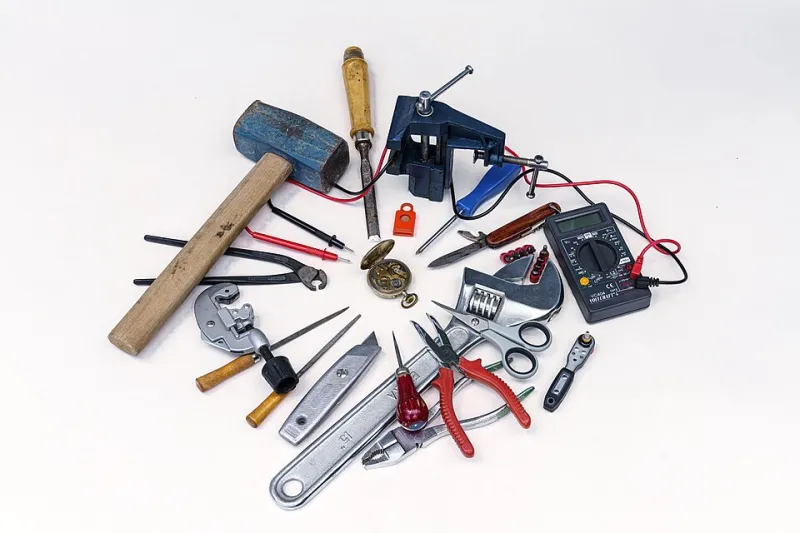
Photo: Franz van Duns, CC BY-SA 4.0, via Wikimedia Commons
Two joiners, same van, same clean licence, same no-claims discount. One pays £640 a year, the other pays £1,180. The difference is largely a postcode and a parking declaration. That is uncomfortable if you have just moved to a cheaper street and assumed the insurance would follow.
So let's treat this as a reality check rather than a lecture. Where the van sits at 2am is a rating factor, and tool theft is the claim that decides whether your policy was good value or an expensive piece of paper.
The kerb outside your house is doing more work than you think
Insurers price van cover on the likelihood of a theft claim, and most tool theft happens overnight, at or near home. A van on a driveway behind a gate in a low-crime village is a different risk from a van on a terraced street with alley access at the back. Neither is automatically cheap, but the questions are always the same: where is it parked, is it at the address on the policy, are tools left inside, and what is physically stopping someone getting in?
Answer those honestly. An inaccurate parking declaration is the sort of detail that turns a straightforward claim into a difficult conversation.
Reading local crime data in ten minutes
Start with the police.uk crime map and search your postcode. Ignore the total figure and look at two categories instead: burglary and other theft. Then compare the last twelve months with the twelve before, because a rising trend in a street that looks quiet on a map is worth knowing about. Look at a 500-metre radius around where the van actually parks, not the postcode on your tax letter.
Then add the slightly less scientific sources: your local Neighbourhood Watch group, the trade WhatsApp group, and the sign on the industrial estate gate warning about van break-ins. Anecdotes are not data, but they are often weeks ahead of it.
What insurers ask about tools, and what to say
Expect variations on these: are tools left in the van overnight, are they in a locked container, is the container bolted down, is there a tracker, is there an alarm, is there off-street parking, and who else has keys. Answer precisely. 'Sometimes' is a legitimate answer, but it will be treated as a higher risk than 'never', and it should be.
Ask the same questions back. What is the single-article limit? Is theft from an unattended vehicle covered? Is there a requirement for a Thatcham-approved tracker, or will any tracker do? What proof do you need at claim time: receipts, photographs, serial numbers?
The excess question, without the guesswork
Two numbers matter. The compulsory excess is fixed by the insurer and cannot be changed. The voluntary excess is yours to choose, and raising it lowers your premium. The trick is deciding whether that trade is sensible for your cash flow.
Do the arithmetic properly. If dropping your voluntary excess from £500 to £250 costs £60 a year, you are paying £60 to avoid a £250 bill. You would need to claim roughly once every four years for that to work in your favour. For a van full of tools parked on a busy road, that is not a ridiculous bet. For a van that is emptied nightly and lives behind locked gates, it probably is.
Run the same sum the other way. If raising the excess from £250 to £750 saves £90 a year, you are accepting £500 more risk for £90. Ask yourself whether you would genuinely have £750 spare on a bad morning.
Security upgrades, ranked by realistic payback
Discounts vary enormously and some insurers ignore security completely, so ask before you buy. These figures are sensible working assumptions, not promises.
- Bolted van vault or secure drawer system. £350 to £900 fitted. The strongest single upgrade for tool theft, and one insurers recognise most often. Expect a 5% to 10% discount where it is rewarded, so a two-to-four-year payback on premium alone, before you count the tools you didn't lose.
- Deadlocks or slam locks on rear and side doors. £150 to £350 fitted. Peel-and-steal attacks are quick; these slow them down. Typically 3% to 7%, payback around three to five years.
- Thatcham-approved tracker. £150 to £350 plus a subscription. Recovery is the point here rather than deterrence. Discounts of 5% to 10% are common, but the subscription eats into the saving.
- Moving the van off the road. Free if you have a drive, up to £500 if you need a gate or lighting. This can change your rating category entirely, which is often worth more than any gadget.
- Steering or pedal lock. £40 to £120. Rarely discounted, genuinely useful as a visible deterrent. Payback is hard to calculate because it works by preventing the claim rather than reducing the premium.
- Internal mesh or window grilles. £200 to £400. Worth it on high-risk streets, largely invisible to underwriters.
- Forensic marking and tool registration. £20 to £60. No discount, but it helps police link recovered tools back to you and supports a claim.
Storage habits beat hardware
The cheapest upgrade is emptying the van. If you can take the expensive kit inside overnight, do it, and say so on the policy. If you can't, use a hard-sided container bolted through the floor rather than a plastic crate on the passenger seat. Photograph every tool with its serial number, keep receipts in a cloud folder, and note the replacement cost honestly. Underinsuring tools to save £20 a year is the worst trade on this page.
Five questions for your broker
- Does my premium change if I move the van from the road to a driveway?
- What exact standard of security triggers a discount on this policy?
- Is theft from an unattended vehicle covered, and under what conditions?
- What is the single-item tools limit and does it include power tools?
- If I claim, what evidence of ownership will you ask for?
The honest conclusion
There is no universal answer on excess, and anyone who tells you otherwise is selling something. Choose the highest excess you could comfortably pay tomorrow without borrowing, then spend the difference on a lock rather than a bigger gamble. Your postcode sets the starting price. What you do about it is the part you control.