The Mileage Guess That Costs You at Renewal: A Tradesperson’s Guide to Declared Van Mileage
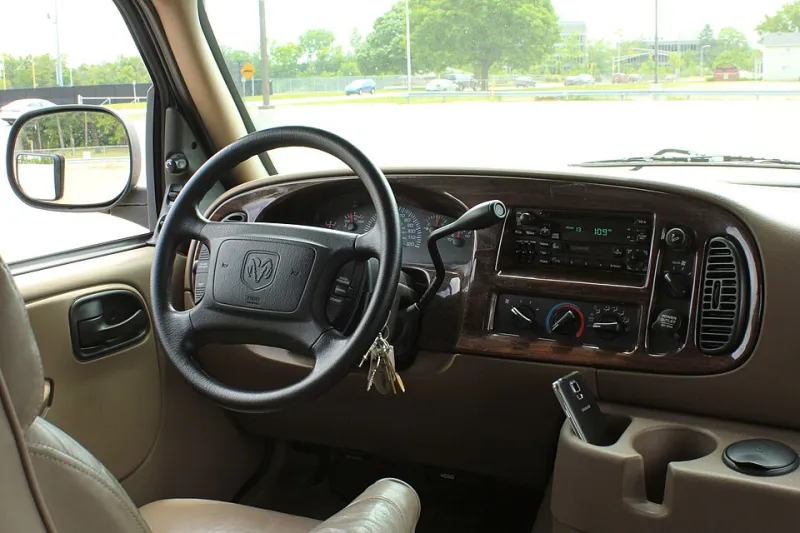
Photo: WillisMoon, CC BY 4.0, via Wikimedia Commons
Van insurance quotes love a nice round number. Ten thousand miles. Twelve thousand. Fifteen. Most of us pick one because it sounds about right, not because we have added up a single journey since the last renewal. That is understandable — you have jobs to finish and invoices to chase. But the annual mileage box is not a personality quiz. It is a pricing input, and guessing too low can come back to bite.
Why the mileage box is not a formality
Insurers use annual mileage as a rough measure of exposure. More miles generally means more time on the road, more chance of a bump, more wear and tear and more opportunities for something to go wrong. A van doing 8,000 miles a year is usually a different risk from one doing 25,000.
That does not mean you should declare a huge number just to be safe. Over-declaring can push your premium up unnecessarily. Under-declaring can make the quote look cheaper than it should be. The aim is not the lowest number or the highest number. It is a figure you can stand behind.
What actually counts as mileage?
In simple terms, it is the total distance the van travels in a year. That includes business journeys, commuting, tip runs, picking up parts, visiting suppliers and any personal use the policy allows. If the van is on a business use policy, the commute to your first job and the drive home at the end of the day still count. They are miles on the van.
This is where use class and mileage can get muddled. Use class describes what the van is used for — for example, carrying tools or equipment for your trade. Mileage describes how far it goes. You need both to be accurate. A policy that allows business use but declares 6,000 miles when you are doing 14,000 is not really a matched pair.
The extra 2,000 miles problem
Plenty of drivers assume there is a cushion. Maybe 1,000 or 2,000 miles over the declared figure is fine because insurers cannot expect you to be exact. Some policies may handle a small overshoot with an adjustment. But you should not build your renewal around that hope. The bigger the gap, the harder it is to explain as a rounding error.
If you declare 10,000 miles and the odometer shows 15,000 at claim time, the insurer may ask why. If the difference is modest, it may simply adjust the premium. If it is large, it can look like the policy was priced on the wrong information. That can affect a claim, your renewal price or your ability to switch comfortably.
There is also a practical money issue. If you constantly under-declare, you may get a cheap renewal quote and then face an extra premium later. That is not a saving; it is a delayed bill.
A simple way to estimate mileage before renewal
You do not need a spreadsheet obsession. You need a rough method that is honest and repeatable.
Start with your current odometer reading. Then dig out last year’s MOT certificate, service invoice or renewal documents. The difference between the two readings gives you the miles actually covered in that period. If you have kept even one of those documents, you are already ahead of most guessers.
If you do not have a previous reading, build an estimate from a normal week. Count the miles for a typical working day: depot to first job, between jobs, supplier run, home. Multiply by your usual number of working weeks — remember to subtract holidays, sick days and quiet weeks. Then add personal mileage, weekend jobs and any regular long trips. Round up a little rather than down.
For example, if a normal week is 160 miles and you work 48 weeks a year, that is 7,680 miles. Add 500 for odd trips and you are at roughly 8,200. Declaring 8,500 or 9,000 is more realistic than choosing 6,000 because it looked good on a comparison site.
Should you declare a higher mileage than you expect?
A small buffer can be sensible if your work is unpredictable. A big buffer is just paying for cover you may not need. The sweet spot is a realistic upper estimate: enough to cover a busy year without turning your premium into a donation to the insurer.
If you land a new contract halfway through the year and start racking up miles, tell your insurer. Mid-term adjustments are usually easier than explaining a surprise at claim time. The same goes if you switch from mostly local jobs to site work across three counties.
Renewal checklist for mileage
Before you renew or compare quotes, check the odometer today. Compare it with the reading from 12 months ago. Write down your best estimate and keep a note of how you got there — MOT records, service bills, a diary or a route planner screenshot.
Then make sure every quote uses the same mileage, use class and overnight parking details. A cheap van insurance quote is only useful if it is comparing the same van doing the same job. If one quote assumes 8,000 miles and another assumes 15,000, the prices are not rivals. They are different products.
Finally, set a reminder to review your mileage before the next renewal. It takes ten minutes and it stops the annual guess from becoming an annual problem. Your van already tells you how far it has been. You just have to read the number.