The Private Dent Fix That Can Still Follow Your Van to Renewal
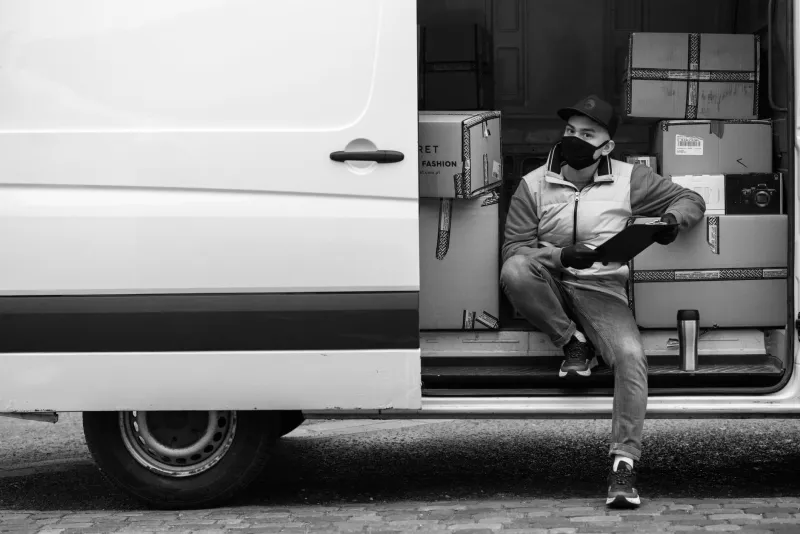
A scraped rear quarter on a Transit Custom. A cracked bumper on a Sprinter. A dented side door after a tight turn in a customer's driveway. You get a quote from a local garage, hand over cash, and the van looks right again by Friday. No claim, no fuss, no insurance conversation. It feels like the tidy way to protect your no-claims bonus.
But there is a catch that trips up plenty of tradespeople: the insurer's question is not always whether you claimed. It is whether the incident happened. And a cash repair does not necessarily make the incident disappear from your policy history.
Why insurers ask about incidents, not just claims
Van insurance is priced on risk, and insurers build a picture from your history. A claim is the obvious part of that picture. But most policy wordings also require you to tell the insurer about accidents, damage or losses, whether or not you decide to claim. That applies even when the damage is your own van and there is no third party involved.
This is where the cash repair handshake can go wrong. You see a private transaction with a garage. The insurer may see an unreported incident that should have been disclosed at renewal. If you later make a claim and the insurer finds out about the earlier damage, it can ask why it was not told. At best, that leads to awkward questions. At worst, it can affect how the claim is handled.
The difference between notified and claimed
There is a useful distinction here. Telling your insurer about an incident is not the same as making a claim. You can notify them, explain that you are paying for the repair yourself, and ask them to log it as notification only. Your no-claims bonus is usually protected if the insurer pays nothing out, but the incident may still appear in your claims history.
The practical step is to ask. Call your insurer, describe what happened, and say clearly that you are not asking them to pay. Ask whether they need to record it. If they say yes, ask what effect it may have at renewal. Get the answer by email if you can, along with a reference number. If they say no notification is needed, get that in writing too. A five-minute call is cheaper than a disputed claim later.
When a cash repair is genuinely low-risk
Not every scuff needs a full insurance process. If the damage is cosmetic, the repair costs less than your excess, no other person or property is involved, and the van is not on finance or lease, paying cash can be a sensible money move. You avoid a claim, you keep the van on the road, and you deal with a local garage you trust.
But low-risk does not mean no-risk. If the van is leased or on finance, the finance company may have its own rules about damage and repairs. If the damage affects safety, lights, mirrors or the structure, a cheap cosmetic fix may not be the end of the story. And if the incident involved anyone else, even a customer's wall or gate, the liability picture can change quickly.
The third-party trap
Imagine you clip a customer's gatepost and agree to pay for the repair yourself. The customer is happy, you hand over cash, and everyone moves on. Months later, the customer decides the gate was damaged more than first thought, or makes a claim against you. If your insurer never knew about the incident, you have given away their chance to investigate and handle it.
That is why third-party damage is a different beast from a private dent on your own van. If another person, another vehicle or someone's property is involved, tell your insurer. Do not rely on a handshake to close the matter. Keep photos, a short written note of what happened, and a receipt or settlement agreement if you pay. That paper trail protects you as much as the repair itself.
What to do before you hand over cash
Before you pay a garage to erase the evidence, do a quick checklist. Read the notification clause in your policy. Photograph the damage from a few angles. Keep the repair quote, the invoice and the receipt. Note the date, location and anyone else involved. If you have a broker, ask them how the insurer treats notified-but-not-claimed incidents.
Then make the call. Be honest about what happened. Do not dress it up as a hypothetical question about a mate's van. Insurers have heard that one before, and it can make a simple notification look like something you were trying to hide. Say what happened, say you are paying privately, and ask what they need from you.
How it can bite at renewal or claim time
At renewal, the question may be framed as accidents, claims or losses in the last few years, whether or not you claimed. If you tick no because you paid cash, you may be giving inaccurate information. That matters if you switch insurers, because the new insurer may ask similar questions. It also matters if you make a larger claim later and the earlier incident comes to light.
A prior unreported incident can also complicate a new claim if the damage overlaps. Suppose you scraped the rear door in March, paid cash, and then someone hits the same corner in November. The insurer may want to separate old damage from new damage. If the earlier repair was never mentioned, that conversation gets harder. Even a good repair can leave a paint mismatch or a record with the garage, and the insurer is entitled to ask.
The money maths
Paying cash can still be the cheaper option. If the repair is £180 and your excess is £350, claiming may not make sense. But do not compare only the repair cost with the excess. Compare it with the possible effect of a notification, and the much bigger risk of a non-disclosure problem later. A small premium increase at renewal is annoying. A claim that is reduced or rejected because the insurer was not told about an earlier incident is a different league.
Protected no-claims bonus is not a force field either. It may protect the discount, but it does not stop the insurer from asking about incidents or from changing the premium. The claims history still tells a story, and you want that story to be accurate.
A simple rule of thumb
If another person, another vehicle or someone's property is involved, tell your insurer. If the van is leased or financed, check the rules before you pay for a private repair. If it is your own minor cosmetic damage, read the policy and call to ask whether it needs to be logged. Keep the paperwork either way.
A cash repair is a private payment, not a private incident. The handshake with the garage can be a smart way to save money, but it is not a cloak. One phone call and a confirmation email can stop a small dent from turning into a renewal headache.