Off the Road, Still on the Hook: The SORN Van Insurance Details Tradespeople Miss

There's a quiet moment every winter when a tradesperson looks at a van that isn't earning its keep and thinks: right, I'll SORN it. Maybe the engine's waiting on a part, maybe you've bought a newer one and the old girl is now the backup, maybe work has gone slack and the tax and insurance are bleeding you dry. You go on the DVLA site, tick the box, print the confirmation, and feel like you've done something sensible.
The insurance side is where the sensible feeling usually curdles. SORN is a tax status, not an insurance product, and the two don't talk to each other unless you make them. Get the gap wrong and you can end up with a van that's legally off the road, fully paid-up in your head, and still a claims problem when someone nicks the tools out of it.
What SORN actually does — and what it doesn't
A Statutory Off Road Notification tells the DVLA the vehicle isn't being used or kept on a public road. That's it. It stops you paying vehicle tax and it takes the van out of the Continuous Insurance Enforcement net, which is the rule that says a registered keeper must hold at least third-party cover unless the vehicle is SORN or otherwise exempt.
It does not cancel your policy. It does not suspend your premium. It does not switch your comprehensive cover into a cheaper fire-and-theft arrangement. If you pay monthly, the direct debit keeps leaving your account whether the van moves or not. And if you simply let the policy lapse because "it's SORN anyway", you've removed the one thing that pays out when the van is stolen off your own drive.
The other thing SORN doesn't do is make it legal to drive. A common myth is that you can SORN a van and still nip it to the MOT station or the scrapyard. You can't — not on a public road, and not with cover. Driving an uninsured, untaxed, SORN'd vehicle is a separate offence with its own penalties, and the fact that it's booked in for a test won't save you.
Laid-up cover: the halfway house nobody explains properly
Some insurers offer laid-up cover — usually fire and theft only, sometimes with a few extras, and almost never with any third-party or own-damage protection. It's designed for exactly this scenario: a vehicle that's stored rather than driven, but still worth protecting.
It's not a standard product. Some insurers will switch you onto it mid-policy, some will only do it at renewal, and a fair few won't offer it at all — in which case you're choosing between keeping the full policy running or cancelling outright. The premium saving is often smaller than people expect, because fire and theft is where a chunk of the risk sits anyway.
Three questions worth asking before you agree to it:
- Where does the van have to be stored? Some laid-up policies specify a locked garage or a compound. A driveway with a wheel clamp might not qualify, and if you claim from a different address than the one on the schedule, that's a conversation you don't want to have.
- Does it build no-claims bonus? Many laid-up policies don't accrue no-claim years. If you're two years from a decent discount, that matters.
- What happens on reinstatement? Some insurers will put you back on a standard policy at renewal without re-underwriting. Others treat you as a fresh quote — which is fine, but you want to know before you get the renewal letter.
The theft claim that catches people out
Here's the scenario that fills claims files. Van is SORN, parked on the drive or behind the yard gates, tools still inside because where else are you going to put them. Thieves lift the lot. You ring the insurer assuming fire and theft cover — because that's what you asked for — and discover the policy was actually cancelled, or the storage address was wrong, or the tools aren't covered because the van wasn't "in use in connection with the business" at the time.
That last point is the sneaky one. Tool cover on a van policy is usually tied to the van being used for work. A van sat on a SORN for three months is, by definition, not being used for work. Some insurers will still pay; plenty won't. And your home contents policy is unlikely to pick up the slack, because tools used for a trade are regularly excluded or capped at a token amount.
The practical fix is boring but effective: read the tool section of your policy before you SORN, not after. If it's vague, ring and ask. Get the answer in writing, whether that's an email or a note on the file with a reference number.
Fire, batteries and the off-road blind spot
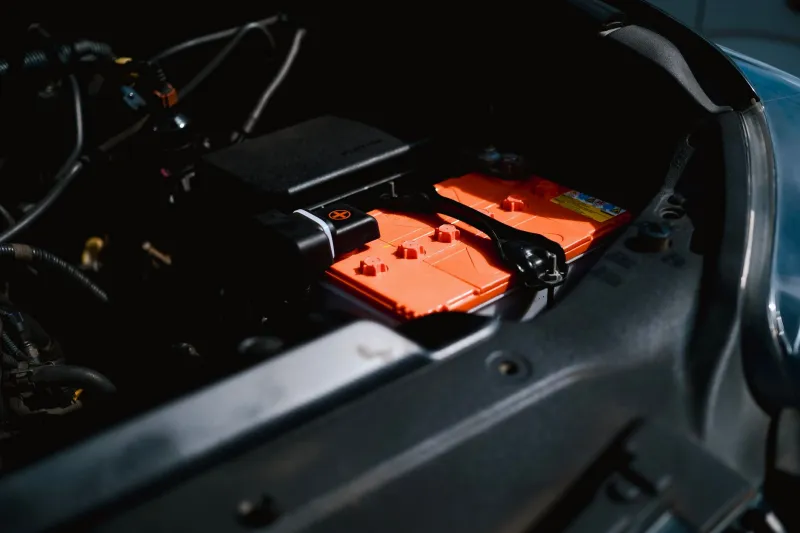
Fire is the other one. A laid-up van with a charger left plugged in, a battery that's been sat for months, or a space heater in the workshop nearby is exactly the kind of thing that starts a claim. If you've kept fire and theft cover, you're fine — that's what it's for. If you've cancelled everything to save £40 a month, you're self-insuring a vehicle that might still be worth five figures with the racking and the tools inside.
Also worth knowing: if you move the van's storage location — to a mate's farm, a rented lock-up, a unit on the other side of town — tell the insurer. "Kept at the policy address" is a standard condition on a lot of laid-up arrangements, and breaching it is the sort of detail that surfaces at exactly the wrong moment.
The lapse trap and your no-claims bonus
Letting cover lapse entirely isn't the end of the world, but it isn't free either. Many insurers will honour a no-claims bonus after a gap of up to two years, but the rules vary and some chop it after twelve months. A gap also means you'll be quoted as a new customer when you come back, and new-customer pricing on a van isn't always kind.
If the van is worth anything and you'd struggle to replace it out of pocket, keeping some form of fire and theft cover is usually the cheaper bet in the long run — even if it stings monthly for a vehicle that isn't moving.
Before you mothball it in 2026
A short checklist, in the order that saves the most grief:
- Ring the insurer first. Ask what happens to the policy on SORN, what's covered, where the van must be stored and whether the no-claims bonus keeps ticking.
- Get the storage address right on the schedule, even if it's your own drive.
- Confirm the SORN with the DVLA and keep the reference. Don't assume the tax refund means the box was ticked.
- Beef up the physical security — wheel clamp, locked gates, tracker if you've got one, keys in a signal-blocking pouch.
- Photograph the van and the tools, keep receipts for anything expensive, and note the serial numbers.
- If you're cancelling, work out the cancellation fee against the refund before you commit.
SORN is a useful bit of admin. It just isn't a safety net. Treat it as a prompt to ring your insurer rather than a reason to stop thinking about the van — because the thieves certainly won't stop thinking about it.